
The Mediterranean diet’s also receives much praise for its holistic approach to wellness, particularly in the promotion of heart health. Perhaps most impressive of all is its anti-inflammatory power, which is highly valuable in the prevention of cardiovascular diseases. This article will explain how the Mediterranean Diet reduces inflammation and supports heart health through nutrient-rich foods, healthy fats, and antioxidant properties.
Anti-Inflammatory effects of the Mediterranean Diet’s on heart health
Inflammation is the normal response of the body’s immune system to injury or infection. However, chronic inflammation damages arteries, promotes plaque formation, and contributes to heart disease. The Mediterranean diet is rich in nutrient-dense and anti-inflammatory food components that provide a natural approach to combating chronic inflammation and supporting cardiovascular health.
In this article, we will delve into the mechanisms behind the anti-inflammatory effects of the Mediterranean diet and how it protects the heart from disease. We’ll highlight key foods, nutrients, and lifestyle elements that make this diet a cornerstone of heart health.
Understanding inflammation and heart health
Chronic inflammation is the leading cause of many cardiovascular problems, including atherosclerosis, hypertension, and arterial damage. It occurs due to the body’s immune system being turned on for an extended period, releasing inflammatory markers that injure tissues. Over time, this process can narrow blood vessels, increase blood pressure, and lead to heart attacks or strokes.
The Mediterranean diet is an effective tool for reducing chronic inflammation. Its anti-inflammatory properties come from a combination of:
- Healthy fats: Healthy fats include those present in olive oil, nuts, seeds, and oily fish, which reduce inflammatory markers.
- Antioxidants: These are abundant in fruits, vegetables, and herbs. Antioxidants neutralize free radicals and lower oxidative stress.
- Omega-3 fatty acids: Found in fish like salmon and mackerel, omega-3s reduce inflammation at the cellular level.
- Plant-based nutrients: Whole grains, legumes, and vegetables are rich in fiber and phytonutrients that fight off inflammation.
Key Mediterranean foods with Anti-Inflammatory benefits
1. Olive oil: The liquid gold for heart health
Extra virgin olive oil (EVOO) is a cornerstone of the Mediterranean diet and a powerful anti-inflammatory food. It is rich in monounsaturated fats and polyphenols, compounds that reduce inflammatory markers such as C-reactive protein (CRP).

Benefits of Olive Oil:
- Reduces oxidative stress, protecting blood vessels from damage.
- Lowers LDL cholesterol and increases HDL cholesterol.
- Improves endothelial function, supporting better blood flow.
How to Use Olive Oil:
- Drizzle over salads, roasted vegetables, or whole-grain bread.
- Use as a base for heart-healthy dressings and marinades.
- Replace butter or margarine with olive oil in cooking.
2. Fatty Fish: Omega-3 Powerhouses
Fatty fish such as salmon, sardines, and mackerel are rich in omega-3 fatty acids, which have powerful anti-inflammatory properties. Omega-3s help lower levels of triglycerides, reduce inflammation in the arteries, and promote overall heart health.
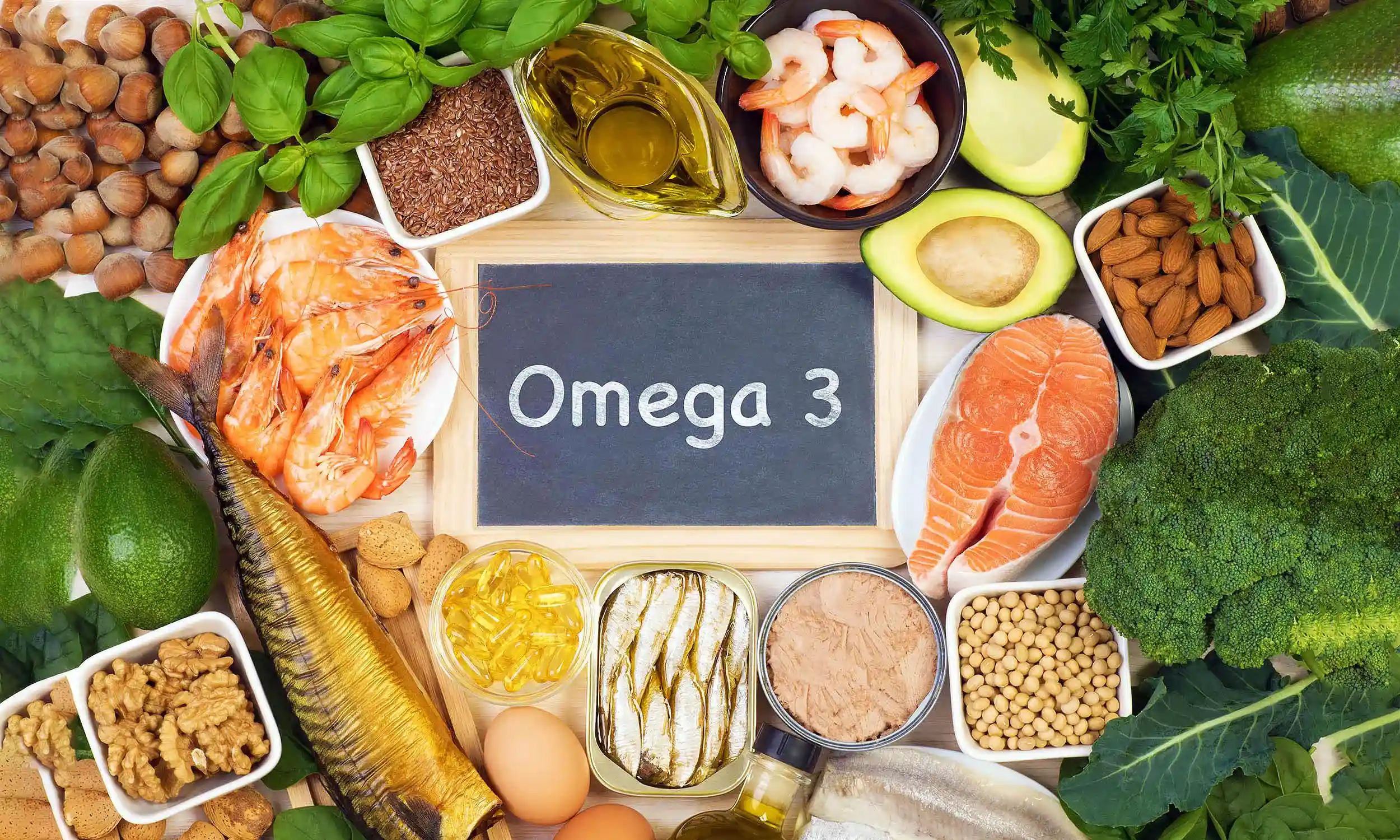
Omega-3 Benefits:
- Reduce blood pressure and lower the risk of arrhythmias.
- Decrease triglyceride levels in the blood.
- Improve the elasticity of blood vessels, reducing the risk of blockages.
Incorporating Fatty Fish:
- Aim for at least two servings of fatty fish per week.
- Try grilled salmon with herbs or a sardine salad for a heart-healthy meal.
- Use canned mackerel as a quick protein source in wraps or sandwiches.
3. Nuts and Seeds: Nutrient-Dense Snacks
Nuts like almonds and walnuts, and seeds such as flaxseeds and chia seeds, are full of healthy fats, fiber, and antioxidants-all of which combine to reduce inflammation and promote heart health.
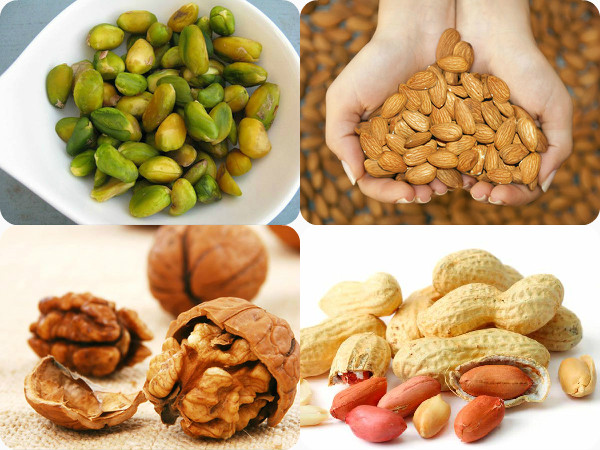
Heart Health Benefits:
- Contain alpha-linolenic acid, known as ALA, a plant-based omega-3 fatty acid.
- Provide magnesium that helps to reduce arterial stiffness.
- Contain polyphenols that help in combating oxidative stress.
Easy Ways to Add Nuts and Seeds:
- Sprinkle flaxseeds or chia seeds on oatmeal or yogurt.
- Have a handful of mixed nuts as a snack.
- Spread almond butter on whole-grain toast.
4. Colorful Fruits and Vegetables
Fruits and vegetables are high in antioxidants, vitamins, and minerals that reduce inflammation and improve heart health. Leafy greens, berries, tomatoes, and bell peppers are especially helpful.
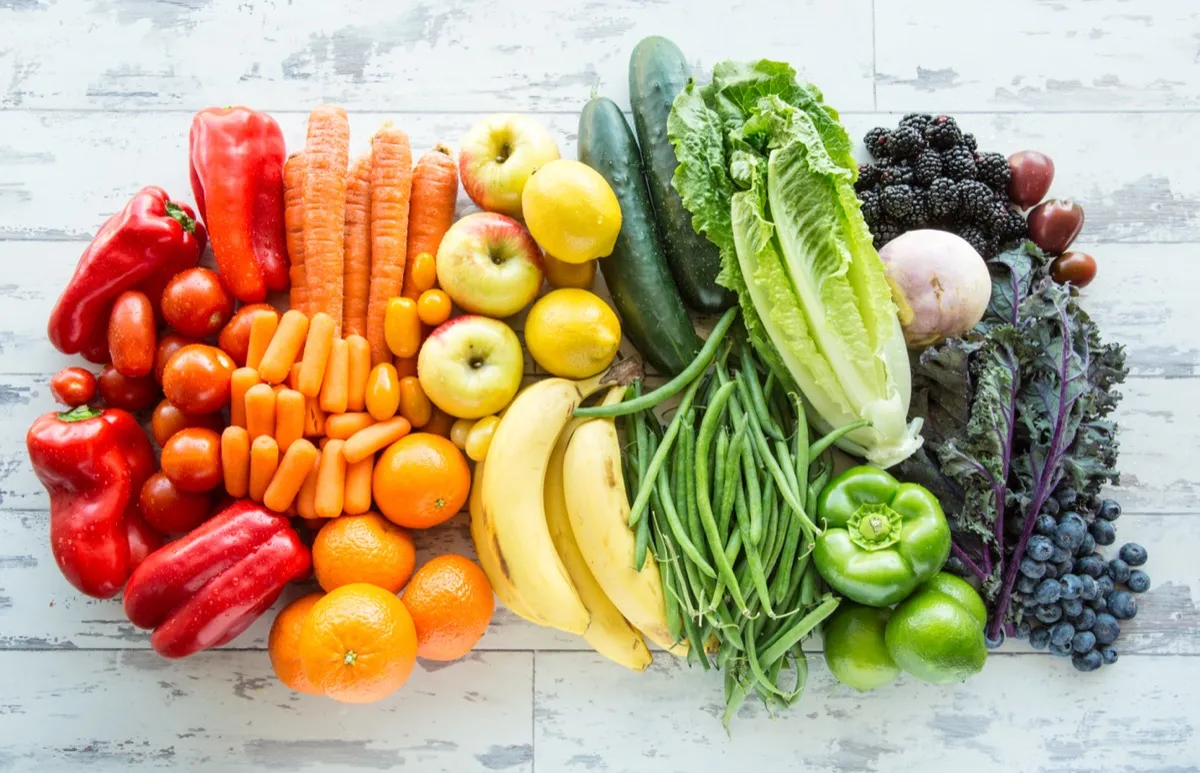
Anti-Inflammatory Properties:
- Inflammation-reducing flavonoids and carotenoids
- High vitamin C and potassium to support vascular health
- Dietary fiber to reduce cholesterol levels
Incorporation Tips:
- Incorporate all colors into your meals for maximum nutrient intake.
- Create a Mediterranean-style salad with spinach, tomatoes, and olives.
- Nibble on fresh fruit or roasted vegetables for added nutrition.
5. Whole Grains: The Fiber-Rich Base
Quinoa, barley, and farro are the whole grains that make up the foundation of the Mediterranean diet. They contain a lot of fiber, which is essential for gut health and works against inflammatory response processes.
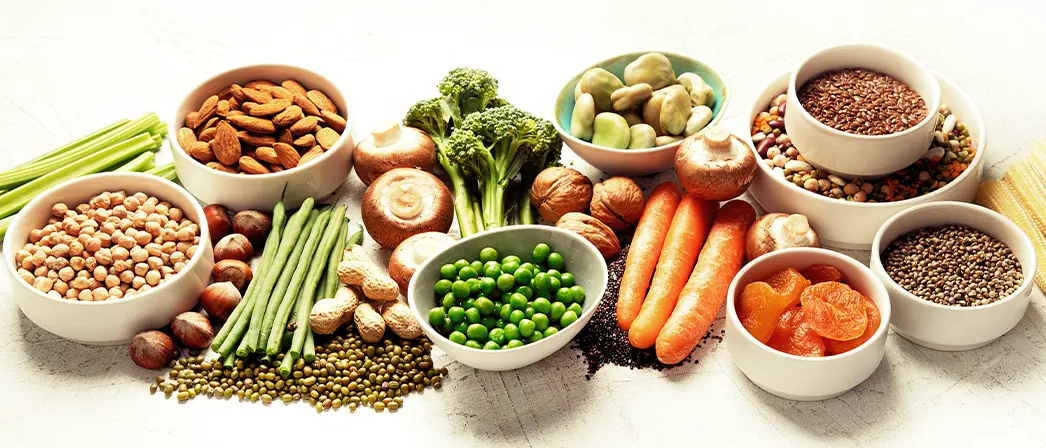
Benefits for Inflammation:
- Reduce levels of CRP and other inflammatory markers.
- Help maintain steady blood sugar levels, preventing insulin resistance.
- Promote healthy digestion and nutrient absorption.
Adding Whole Grains to Your Diet:
- Swap refined grains for whole-grain bread, pasta, or rice.
- Cook a batch of quinoa or barley for easy meal prep.
- Try a Mediterranean grain bowl with roasted vegetables and chickpeas.
Anti-Inflammatory Herbs and Spices
Herbs and spices, used to flavor foods eaten throughout the Mediterranean diet, make it even more anti-inflammatory due to bioactive compounds like turmeric, garlic, oregano, and rosemary, which protect against inflammation and heart health.
Top Herbs and Spices for Inflammation:
- Turmeric: Curcumin is present in turmeric, which has anti-inflammatory properties.
- Garlic: Lower blood pressure and cholesterol levels.
- Oregano and Rosemary: Rich in antioxidants that neutralize free radicals.
- Cinnamon: Helps in regulating blood sugar levels and reducing inflammation.
How to Use:
- Add turmeric to soups, stews, or tea.
- Incorporate garlic into marinades, sauces, or roasted vegetables.
- Sprinkle oregano or rosemary on fish or poultry before cooking.
The Mediterranean Lifestyle and Inflammation
Beyond diet, there are also components to the Mediterranean lifestyle that would tend to make this anti-inflammatory. Regular physical activity is usually part of it–stress reduction, social connectivity–the whole package.
[affiliate_info id=”1482″]
Key Lifestyle Elements:
- Exercise: Engage in moderate-intensity activities like walking or swimming.
- Stress Management: Practice mindfulness, yoga, or meditation to reduce stress.
- Social Connections: Share meals with family and friends to promote emotional well-being.
Anti-Inflammatory Meal Ideas
Breakfast: Greek Yogurt with Berries and Chia Seeds
- Greek yogurt (rich in probiotics)
- Fresh berries (high in antioxidants)
- A sprinkle of chia seeds (omega-3 boost)
Lunch: Mediterranean Quinoa Salad
- Quinoa (fiber-rich whole grain)
- Chopped vegetables (tomatoes, cucumbers, bell peppers)
- Olive oil and lemon dressing
Dinner: Grilled Salmon with Roasted Vegetables
- Salmon fillet (omega-3 fatty acids)
- Roasted vegetables (broccoli, carrots, zucchini)
- A drizzle of olive oil and fresh herbs
Conclusion
The Mediterranean diet acts as a powerful anti-inflammatory tool for heart health and the prevention of chronic diseases. By embracing foods full of nutrients, including olive oil, fatty fish, nuts, fruits, and whole grains, inflammation can be diminished while supporting the cardiovascular system. Merging the Mediterranean diet with a healthy lifestyle can promote lifelong wellness in a non-restrictive and delicious manner.
Call to action: Make these anti-inflammatory foods part of your diet from today and see for yourself the benefits in heart health. Browse our Mediterranean recipes for ideas, and get started on your journey to better heart health!