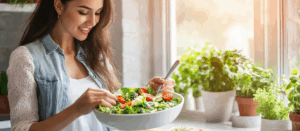
Inflammation touches everyone, from digestion to disease risk in the long run. Starting an anti-inflammatory diet can really make a big difference in your overall wellness, energy level, and immune function. This introductory guide to an anti-inflammatory diet makes learning about the anti-inflammatory nutrition basics easy, starting with how to begin, what you should eat, and even comes with a simple new user meal plan. You’ll discover easy anti-inflammatory foods, lifestyle secrets, and a handy food guide.
What you’ll learn in this guide
- What exactly is an anti-inflammatory diet?
- The best foods to follow an anti-inflammatory diet.
- How to start an anti-inflammatory diet at a beginner level.
- Simple anti-inflammatory meal plans for daily consumption.
- Lifestyle guidelines for chronic anti-inflammatory management.
Understanding the anti-inflammatory diet
What is chronic inflammation?
Chronic inflammation occurs when your body’s defense system stays active too long, damaging healthy cells. Over time, it can lead to arthritis, diabetes, heart disease, and more.
The science behind inflammation and its long-term effects
Inflammation is the body’s protective response to injury or infection. Chronic inflammation, on the other hand, lingers in the body and has been linked to heart disease, diabetes, arthritis, and even certain cancers. It is among the strongest weapons for taking charge of it through diet.
What is an anti-inflammatory diet?
An anti-inflammatory diet is focused on whole, nutrient-dense foods and avoids processed food, added sugars, and trans fats. It’s all about clean eating for inflammation and encourages a transition towards plant-based, omega-filled, and antioxidant-dense meals.
How to start an anti-inflammatory diet
Focus on whole, unprocessed foods. Add fruits, vegetables, leafy greens, fatty fish, nuts, seeds, and olive oil. Reduce your intake of sugar, refined carbohydrates, fried foods, and processed meats. Stay hydrated, use spices like turmeric and ginger, and aim for balance, not restriction.
Begin with small steps
Focus on gradual transitions, not perfection
Starting an anti-inflammatory diet for beginners doesn’t mean changing everything overnight. Begin by:
- Cutting out processed snacks
- Adding one anti-inflammatory food daily
- Switching refined carbs to whole grains
- Drinking more water
Stock your pantry with essentials
A well-stocked kitchen pantry simplifies daily cooking and is stress-free. Store fundamental items such as grains, pasta, canned foods, spices, and cooking oils to readily prepare well-balanced meals without frantic last-minute grocery shopping trips.
Build a strong foundation for easy cooking
Beginner-friendly pantry items include:
- Olive oil, turmeric, ginger
- Quinoa, oats, brown rice
- Canned legumes, lentils
- Nuts, seeds, and herbal teas
Stay consistent with planning
Consistency beats perfection in the long run
Set weekly goals. Try prepping a few inflammation-fighting recipes in advance. Stick to a meal rhythm and allow flexibility for treats or cravings.
Anti-inflammatory foods list: What to eat
Fruits and vegetables
Rich in antioxidants and phytonutrients
- Berries (blueberries, raspberries)
- Leafy greens (spinach, kale)
- Tomatoes, sweet potatoes, broccoli
Healthy fats
Help regulate inflammatory markers
- Avocados
- Extra virgin olive oil
- Fatty fish like salmon, sardines
Whole grains & fiber
Support gut health and lower inflammation
- Brown rice
- Oats
- Whole wheat pasta
Herbs and Spices
Natural anti-inflammatory compounds
- Turmeric
- Ginger
- Garlic
Plant-Based Proteins
Great for clean eating for inflammation
- Lentils
- Chickpeas
- Tofu, edamame
Foods to avoid on an anti-inflammatory diet
Refined sugars and carbs
- White bread, pastries, soda
- Processed breakfast cereals
Trans fats and processed meats
- Fried foods
- Sausages, bacon, deli meat
Artificial additives
- Preservatives, flavor enhancers
- Artificial sweeteners
Simple anti-inflammatory meal plan for beginners
Day 1
Breakfast: Oatmeal with berries and flaxseed
Lunch: Quinoa salad with chickpeas and olive oil dressing
Snack: A Handful of almonds and an apple
Dinner: Baked salmon, steamed broccoli, and sweet potato
Day 2
Breakfast: Smoothie with kale, banana, chia seeds
Lunch: Lentil soup with whole-grain toast
Snack: Carrot sticks with hummus
Dinner: Stir-fried tofu with brown rice and vegetables
Day 3
Breakfast: Avocado toast on whole wheat bread
Lunch: Roasted veggie bowl with tahini drizzle
Snack: Greek yogurt with walnuts
Dinner: Grilled chicken with quinoa and sautéed spinach
Anti-inflammatory lifestyle tips
Move your body
Gentle exercise supports inflammation reduction
- Walking, yoga, swimming
- 30 minutes a day, most days of the week
Prioritize sleep
Your body’s recovery system depends on it
Aim for 7–8 hours of restful sleep. Avoid screens 1 hour before bed and create a calming bedtime routine.
Manage stress
Chronic stress worsens inflammation
- Meditation and breathwork
- Journaling or talking to a therapist
- Spending time in nature
Inflammation-fighting recipes to try
Turmeric lentil soup
- Onion, garlic, turmeric, carrots, lentils, and coconut milk
- Simmer 30 minutes and serve warm
Berry chia pudding
- Mix chia seeds, almond milk, and maple syrup
- Let it sit overnight, top with berries
Quinoa veggie bowl
- Roasted zucchini, chickpeas, spinach
- Top with lemon tahini dressing
Salmon with garlic greens
- Pan-sear salmon
- Sauté garlic, spinach, and olive oil
Anti-inflammatory nutrition basics
Macronutrient balance
- Focus on protein, complex carbs, healthy fats
- Avoid extremes like zero-carb or fat-free diets
Hydration
- Water supports all cellular functions
- Herbal teas (ginger, green tea) are great additions
Supplementation (If needed)
- Omega-3s, Vitamin D, and Magnesium may help
- Always consult a healthcare provider first
Common mistakes to avoid
Trying to be perfect overnight
- Start slow and make sustainable changes
Not reading labels
- Healthy packaged foods can still contain sugar and additives
Ignoring mental health
- Diet alone won’t help if stress and sleep are neglected
Clean eating for inflammation: A long-term view
Build habits gradually
- Meal prep once a week.
- Set goals like 2 vegetables per meal.
Listen to your body
- Energy, digestion, skin, and sleep will guide you
Stay informed
- Follow trusted nutrition blogs
- Be critical of diet fads and miracle claims
Final thoughts
Going anti-inflammatory doesn’t have to be scary. By focusing on whole foods, simple swaps, and daily habits, you’ll experience real health benefits. Whether you’re cooking anti-inflammatory recipes, participating in a newbie-friendly program, or discovering the basics, it all starts with one small tweak.
Ready to begin your path to better health? Try one anti-inflammatory meal today and feel the difference.